A few days before he would lay down his life to deal with the problem of evil, Jesus made the ascent to Jerusalem, not Rome. When he came near and saw the city, he wept over it. The city of peace would reject the Prince of Peace for the preservation of antipathy to any rule but its own.
Jesus went on to speak in parables about the signs and wonders he expected to see in those entrusted with the gospel of the kingdom before he returned.
Over a decade the abandoned buildings became covered with graffiti. The cornerstone and crosses, too. The onetime place of worship became an eyesore condemned by the community.
It would be quite easy to glide into a religious pluralism and end up worshipping the vaunted images of the world – “Great is Ephesian Artemis!” – and not the reality of the Son of God. One would thus end up having a form of godliness but denying its power. Neither John the Elder nor I want anything to do with such people.
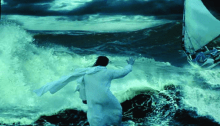
Did Jesus have Peter and the other apostles wade into waters over their heads to remove the scales from their eyes? Did he put them through the wringer to squeeze out unbelief?



 Kingdom Venturers